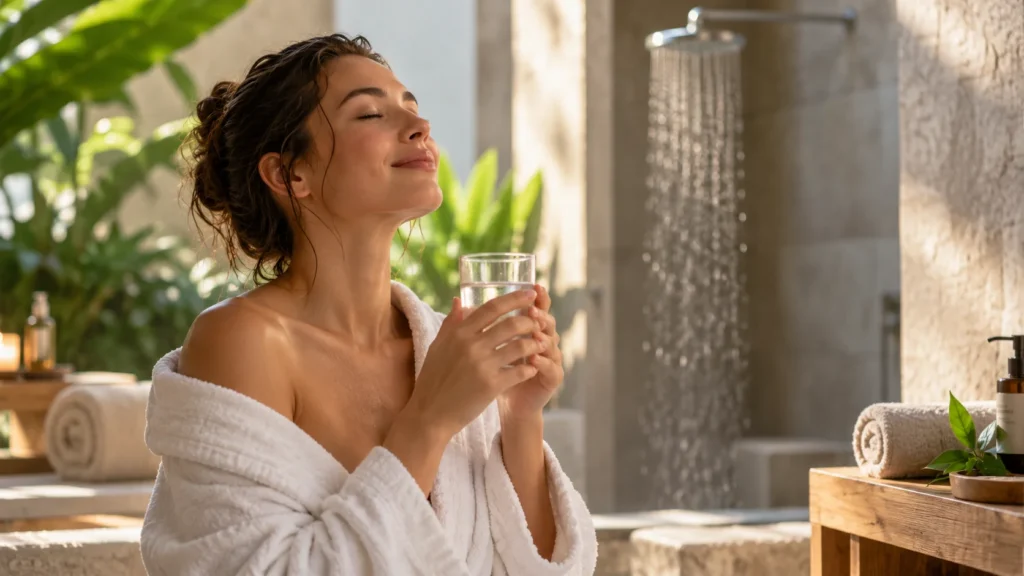
What to Do After Hydrotherapy or a Massage: Showering, Exercise, and Rest
If you’ve just left the massage room and are heading home, you might be wondering what to do after a massage. You may feel pleasantly relaxed, but at the same time, you could experience sore after massage discomfort, fatigue, or even hunger. Of course, your body needs a little help getting back to normal.
What can you do during the first 24 hours to maintain the benefits of your hydrotherapy? Let’s take a closer look.
Key Takeaways
- What to do after a massage: a guide with core recommendations from our specialist.
- What professionals recommend about food, showers, and physical activity after treatments.
- Advice on what is best to avoid after a session so you do not feel worse.
Why You Need Proper Massage Aftercare
Although a body massage and hydrotherapy can help you relax, it also involves physical stimulation, and your body's response depends on the technique, intensity, and your inner state. Usually, the therapist presses on the muscles and soft tissues, stretches them, and acts on nerve endings, so after a deep or intense procedure, your muscles may hurt a bit, like after physical exertion.
During the session, the body can switch between states of arousal and relaxation, which leads to a feeling of fatigue, sleepiness, or being drained. Hormone levels can react too - the sympathetic nervous system kicks in, cortisol and adrenaline levels can briefly rise, and it starts actively producing endorphins and enkephalins.
Lymphatic drainage and gentle relaxation generally place little physical demand on the body. Deep sports massages and anticellulite treatments, however, can produce a more intense physical reaction.
This explains why feeling slightly drained or unusually thirsty after a visit is so common. Your body needs time to recover, along with the right massage aftercare.
Taking a Shower After a Massage
Can you shower after a massage? Yes, of course. Especially if there is oil left on your skin, you can gently wash it off. However, it is best to avoid very hot baths, saunas, and steam rooms for the rest of the day to prevent swelling, redness, or inflammation after working on trigger points. The optimal option is a regular warm shower, without overly hot water or prolonged exposure to steam. Of course, this should be a gentler approach. For example, it is more beneficial not to rub your skin with a loofah today and to use a mild detergent or even just rinse yourself off.
Eating and Staying Hydrated
We usually recommend waiting a little before eating after a hydrotherapy. Blood flow may shift toward the muscles and skin, so give your digestive system some time to settle back into its usual routine.
However, rehydrating is an absolute must. Why drink water after a massage? The session stimulates blood and lymph flow, which prompts your tissues to release accumulated toxins and metabolic byproducts.
Water helps your kidneys filter waste products and remove them from your body. Staying hydrated can also help prevent headaches and a hangover-like feeling the next day. Just don't overdo it. Drink when you are thirsty.
A few hours after, it is best to choose simple, easily digestible meals that provide nutrients to support tissue recovery. Protein-rich foods, such as chicken and fish, are particularly suitable.
Using Skincare Products
Moisturizing skincare products are especially helpful, particularly those containing glycerin, ceramides, or panthenol, especially if your skin is dry. However, if you have had a body contouring or anticellulite treatment, we recommend avoiding scrubs, exfoliating products, dry brushing, products with retinoids, strong acids, or other potentially irritating active ingredients, alcohol-based lotions, and anything that causes a burning sensation.
The oil doesn't always need to be washed off after a session. If it's formulated for skin use and doesn't cause irritation or discomfort, you can leave it on as directed.
How to Exercise After Massage
Can you exercise after a massage? Yes, but taking it easy is usually the better route. Light walking, light routine movement, and a solid night’s sleep will help you capture that feeling of internal balance and maximize the mental benefits of your session.
We recommend skipping a workout after massage, particularly if it focuses on muscles that received a lot of attention during the session. Pushing those muscles too soon can increase soreness. If you had a gentle, relaxing massage and feel fine afterward, though, a moderate workout is usually okay.
When should you head back to the gym? It is best to wait 24 to 48 hours before jumping back into full-scale training.
Resting and Restoring Your Inner Balance
Feel sore after massage or hydrotherapy? Give yourself a few hours or even an entire day to unwind. You can still handle your usual routine, but surrendering to that comforting desire to relax can actually do wonders for recharging your center and prolonging the enjoyment. So if you feel the urge to sleep after a massage, go ahead and let yourself doze off - it gives both your physical body and nervous system a much-needed reset.
What Not to Do After a Massage
For the most part, you can maintain your usual lifestyle after a massage. However, we recommend taking it easy rather than pushing yourself too hard. But what not to do after a massage?
Skip carbonated drinks and sugary juices to prevent bloating or fluid retention, and hold off on coffee and strong black tea to avoid excessive dehydration from their diuretic effect.
Postpone heavy weightlifting and intense workouts for 24 hours to give your tissues time to recover.
Hold off on strong alcoholic beverages, as they significantly worsen fluid imbalance.
Keep your post-massage routine simple rather than adding more spa treatments. Only continue with other procedures if they were included in your package and approved by your specialist, and be especially cautious with heat-based sessions.
What’s Normal to Feel After
So, what should you expect? Feeling tired after a massage is completely natural. Muscle soreness and mild tenderness are also common reactions that typically fade within a day or two. Drowsiness, temporary skin redness, and increased thirst are equally normal, so there’s no need to worry if they crop up.
What's NOT supposed to happen (red flags to keep an eye on):
- Sudden, sharp pain triggered by movement.
- Extensive bruising that covers an area the size of your palm or larger.
- Intense lightheadedness, nausea, shivering, or a temperature rising above 99.5°F.
- Numbness, loss of sensation, or tingling in your hands, feet, or limbs.
If this happens, we recommend getting in touch with your massage therapist or checking with your doctor.
A Few Final Words
Massage or hydrotherapy remains one of the most effective wellness tools available, requiring minimal downtime and carrying almost no adverse post-session impacts. Overall, you shouldn't feel any unwanted side effects - just a relaxing, feel-good weariness.
These benefits, however, depend on sessions being performed by skilled specialists who understand and apply the proper techniques. Visit Aquatess and experience a range of beneficial and pleasant sensations for yourself.